
jessyfong

About jessyfong

This author has not yet filled in any details.
So far jessyfong has created 4 blog entries.

Your guide to protecting your cars during winter

It seems like winter rolls around faster every year. One minute we are loving the Australian sunshine, and the next we’re caught off guard by the cold. It’s easy to overlook the effect this can have on our cars. Our advice? Don’t. It will benefit you and your dealership both financially and environmentally.

Here’s our advice on protecting your car from winter:

Be aware of your battery

Batteries are integral to car function, and it’s vital you keep an eye on them during the colder months. Very cold batteries struggle to deliver as much current as they normally would, and this is especially the case if you are dealing with an older, used car. Check the spark plugs, and for any signs of erosion, whilst also ensuring cars are kept under shelter to offer it protection.

Auto fluids need all the help they can get in the cold.

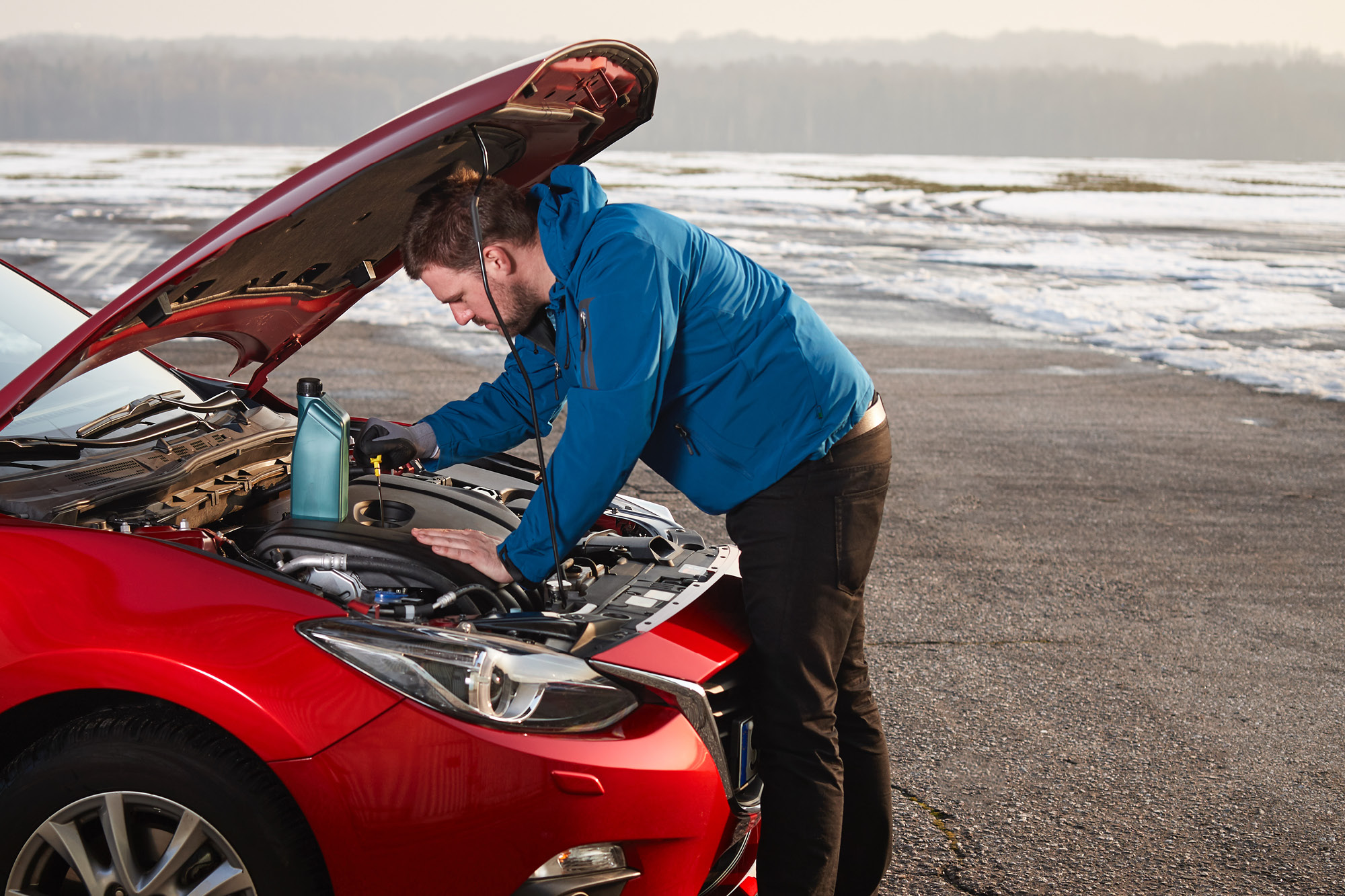
Cooler temperatures can cause car fluids such as oil, antifreeze, brake, transmission and wiper fluids to be less efficient. Ensure all your fleet’s fluid levels are at recommended levels at all times during these months. Keeping a full tank of gas will prevent condensation building up in the fuel system and then subsequently freezing.

Keep the optimum level of pressure in tyres

Depending on where your dealership is located, in the really cold months you may experience some ice on the roads. Cold weather compresses air, causing your tyres to decompress too. Keep an eye on over-filling them, as this reduces grip.

Know when you need to warm engines before driving

If you are driving a car that was made pre-1980, then the chances are you need to warm the engine before heading off on the road. This allows the correct mix of fuel and air to circulate in the engine. Any car newer than that will have fuel injectors and sensors, meaning you don’t need to sit and wait for the correct fuel levels to enter, as it will just happen automatically. For these cars, just start driving, increasing speed gradually.

Happy winter driving!

 

Air-conditioning system care guide

Common issues with air-conditioning systems and how to fix them.

A car’s air-conditioning system is put through its paces all year round, cooling drivers and passengers in summer and warming up the car cabin during winter. With so much use comes a multitude of concerns. Here are the most common problems faced by car-owners, and the best ways to handle them.

There’s an odour problem

A musty or mouldy smell circulating through a car is a sign of dirt and moisture build up in the air-con system, which equals bacteria and mould. Even if the air con remains unused for a period of time, it still gathers dust which is sent flying through the air next time the fan is turned on. Not only does this mean bad smells travel throughout the cabin, but bacteria and mould spores are sent into the cabin’s air as well, to be inhaled by drivers and passengers and lead to respiratory and sinus problems.

How to fix it: 

While consumers may plug an air freshener onto the vents and call it a day, it’s definitely not a long-term solution. Introduce them to Hygiene Labs™ Antimicrobial Shield, which is a non-toxic protectant actively attracts and kills organisms mechanically to reduce risk of cross-contamination and mutation. It bonds to a car’s interior surfaces and also permeates through the air-con system to ensure clean air circulates through the cabin.

The air con isn’t pumping out a lot of air

This problem quite often goes hand in hand with an odour issue, so while it’s possible that the issue could be a faulty fan or loose hose connection, it’s likely that weak airflow is due to a blocked cabin filter. A blockage is usually caused by a build-up of dirt and debris, which, if left for too long without cleaning, will block the vents so limited air can actually circulate.

How to fix it:

Depending on the severity of the blockage, the air-conditioning filter may need a thorough clean or a complete replacement. Either way, up-selling a replacement/declogging job with a sanitisation treatment – and implementing a regular sanitisation routine – is important to ensure cleaner air and also to prolong the good condition of the filter, saving consumers time and money further down the track.

The AC isn’t blowing out cold/hot air

Although this may be another blocked-filter situation, it could also be something more complex within the air-con system itself, such as a blown fuse in the compressor, broken cooling fan or leakage due to a lose or broken hose connection.

How to fix it:

While this sort of technical issue requires far more complex repair and replacement, it’s still important to use the opportunity to educate consumers about the need to regularly clean and sanitise their cars’ ventilation system. It makes ongoing maintenance easier, meaning less headaches for them – and you.


Your post-purchase used car guide

Purchasing a used car is a little more complex than buying a new one. Here’s everything you need to do to ensure the process is a smooth one.

1. Transfer your insurance…

Remember to do this before you drive your new (well, used) car home, so you’re covered from the minute you get the keys. Prior to collection it’s best to confirm with your insurance provider that policy benefits will roll over after the transfer.

2. And the registration

It’s the buyer’s responsibility to transfer the registration from the seller to them. Check your state’s requirements and timeframes for this process, as it can vary – and ensure you’ve got the finance to cover any transfer fees and stamp duty.

3. Replace all the fluids

If you know that it’s been quite some time since the car you’ve purchased has had a service, or if you can’t confirm when the last service was, it’s a good idea to book the car in for a once-over once you’ve received it. During that time, technicians can replace the engine oil, transmission oil and brake and clutch fluids to that you can be sure that the car is 100 percent road ready.

4. Sell your old car

Trading your old car in, is easy, but you might get more bang for your buck if you sell it yourself. The biggest pain point when it comes to selling your car yourself is time – time to wait for curious buyers, time to show them the car and time to make a sale. Allow yourself plenty of time to get a sale out of the way – particularly if you are relying on the funds to help purchase your new vehicle.

5. Treat the car to a top-to-toe refresh

Just because you’ve bought a used car, there’s no reason you can’t resurrect that new-car smell – or shine. Restore the car to as-new condition with a Permagard Refresh Program. Our trained technicians will be able to restore the paintwork’s original lustre and sanitise and protect the interior of the car’s cabin to keep it looking and feeling new.


Choosing the right tint for your car

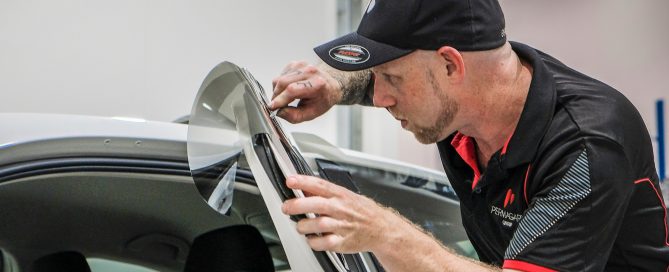
Whether you need to block out UV rays or hide from paparazzi, window tinting is practical and stylish – and one of the most commonly requested aftermarket products around.

Picking the right kind of window tint needs more consideration than you might think. Here are some handy hints to make your decision easier:

1. Get the legal lowdown

Every state and territory has different regulations when it comes to how dark your tint can be – and what windows it can be applied to. Professional window tinting companies know the ins and outs of what’s legal and what’s not, but it pays to do some research of your own first.

2. Know your shade

You may be surprised to learn that there are so many different tints that go beyond your standard black, including bronze, grey, gold and amber. Do some research online to check out the different shades on cars in the same colour as yours, so you can decide what tint shade looks best!

3. Check the UV grade

With the harsh Aussie climate, it makes sense to go for the highest-grade window tint you can. Our tint can block out up to 99% of UV rays, protecting you and your passengers and also shielding interior cabin surfaces from the harsh effects of the sun.

4. Protection for a lifetime

For peace of mind, go for a window tint backed by a lifetime warranty (like ours!*). Even with proper care, some window films may need to be replaced over time, so a lifetime warranty will ensure those potential small repairs won’t leave you out of pocket.

*Warranty terms, conditions and exclusions apply.


Go to Top